First Aid Kits: Complete Guide for Home and Workplace
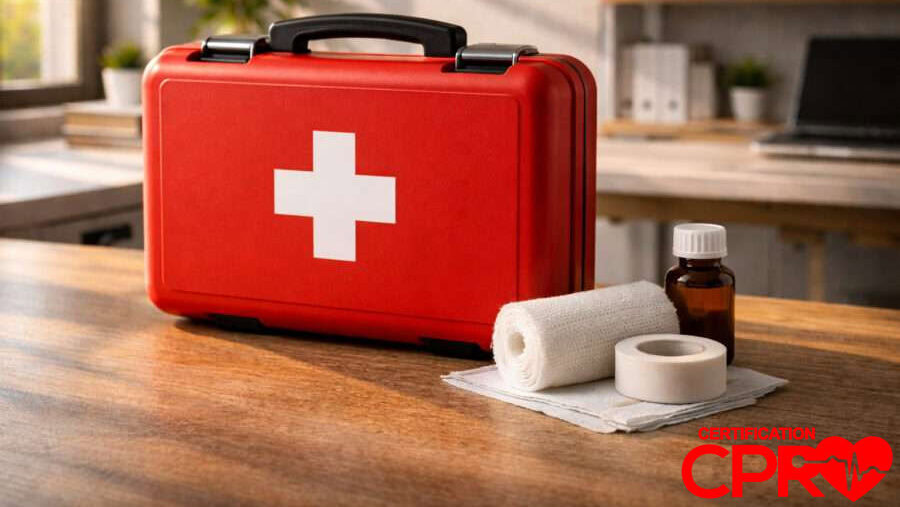
Open the first aid kit in most offices and you will find something that was stocked when the business moved in and has not been seriously examined since: expired bandages, a pair of gloves with a torn seam, antiseptic wipes from a decade ago, and possibly some gauze with a sticky residue from where it was sitting next to a leaking antiseptic. It looks like a first aid kit. Whether it would serve anyone in an emergency is a different question.
A well-stocked first aid kit is not complicated to put together, but it does require some thought about who will be using it, what kinds of injuries are most likely in the environment where it will be kept, and how often someone will check whether the contents are still current. A kit for a construction site looks different from a kit for an office, and both look different from a personal kit for a household with children.
A useful kit has two jobs: carry the right supplies and stay ready when someone opens it under pressure. The list matters, but so does the habit of checking whether the kit still works for the people and setting it is supposed to serve.
Basic First Aid Kit Contents
A basic first aid kit should be able to handle minor cuts and abrasions, burns, sprains and strains, and common minor emergencies. OSHA and major safety organizations publish guidance for workplace kit contents, and while the specific lists vary, the core items are consistent across most recommendations.
Upcoming CPR Class Dates and Times
For wound care, the essentials are adhesive bandages in multiple sizes. The small strips cover most cuts, but medium and large sizes are needed for bigger wounds. Add sterile gauze pads, non-stick dressings for burns, medical tape to secure dressings, and elastic bandages for wrapping sprains. Gloves should be in every kit, multiple pairs, so that anyone providing first aid can protect themselves from contact with blood. Disposable gloves, preferably nitrile for anyone with latex sensitivity, should be sized to fit the person who will be using them.
Antiseptic wipes and antiseptic solution or spray help clean wounds before dressing them. Tweezers for splinter removal, scissors for cutting tape and dressings, and a cold pack for sprains and minor swelling round out the basic wound and injury management supplies. An emergency first aid guide or quick-reference card belongs in every kit so that someone with minimal training can find the steps they need without having to remember them under stress.
Workplace-Specific Requirements
OSHA requires employers to maintain first aid supplies adequate for the workplace environment, and what is adequate varies significantly by setting. An office environment with low physical hazard is served by a basic kit. A construction site, a manufacturing floor, or any environment with elevated injury risk needs a kit stocked to match those specific hazards.
Environments where cuts and lacerations are common, such as food service, manufacturing, and construction, should have additional gauze and wound dressing supplies, and ideally hemostatic dressings for more significant bleeding. Workplaces where chemical exposure is possible should have an eyewash station or saline eye wash bottles available in addition to the standard kit contents. Environments where workers are physically remote from emergency services should stock more comprehensive supplies, since waiting for EMS may take longer than it would in an urban setting.
OSHA’s guidance on workplace first aid kits (29 CFR 1910.151) requires that first aid supplies be available in the workplace and that a person trained in first aid be present unless a clinic or hospital is nearby for emergency use. Many workplaces interpret this minimum too narrowly. Having a kit and having someone who can use it effectively are two different things, and both are part of the requirement.
How to Check If Your Kit Is Actually Ready
A first aid kit inspection is not complicated, but it needs to happen on a schedule. Monthly checks for active workplaces are the standard recommendation. Check every item for expiration date. Antiseptic products, gloves, saline solutions, and many medical supplies have shelf lives that expire quietly while the kit sits in a cabinet. Expired products should be replaced, not left in the kit with a mental note to order replacements later.
Check physical condition, not just dates. Gloves that have yellowed, become brittle, or lost their packaging integrity should go regardless of their printed expiration date. Bandages with compromised adhesive, gauze that has absorbed moisture, or any product where the sterile packaging has been opened or torn needs to be replaced. The kit should be stored in a clean, dry location away from heat, direct sunlight, and humidity, since all three degrade materials faster than the printed shelf life assumes.
After any use, restock immediately. A kit that was raided for a minor emergency last Tuesday and has not been restocked is not a kit that can handle the next minor emergency this Tuesday. Treat restocking as the final step of any first aid event, not an optional follow-up.
What Does Not Belong in a First Aid Kit
Over-the-counter medications are not universally appropriate for workplace first aid kits. Aspirin, ibuprofen, antihistamines, and similar products require knowledge of the recipient’s medical history, allergies, and current medications before they can be safely administered. OSHA does not require these in workplace kits, and administering them to an injured worker without their informed consent and proper evaluation carries liability risk. Personal medications belong in individual possession, not in the shared workplace kit.
Prescription medications obviously have no place in a first aid kit. Similarly, items that require medical training to use correctly, including suture supplies, injection equipment, and airway management devices, should not be in a kit intended for use by employees without medical training. If your workplace environment justifies having those supplies on hand, the people using them need the corresponding clinical training, which is a different category of preparedness than standard first aid readiness.
First aid readiness is one layer of emergency preparedness. The others are knowing when to call 911, having a trained first responder available, and, in workplaces where cardiac events are a realistic risk, having access to an AED. If your team needs CPR certification and broader First Aid training, the AHA BLS class and onsite training let the whole group practice the response with the same sequence and expectations.